FITDIETCOMMERCE
THE PROBLEM: THE COST OF DOWNTIME
When an e-commerce platform generates millions of Euros annually, downtime is not just an inconvenience—it's a critical hemorrhage of revenue.
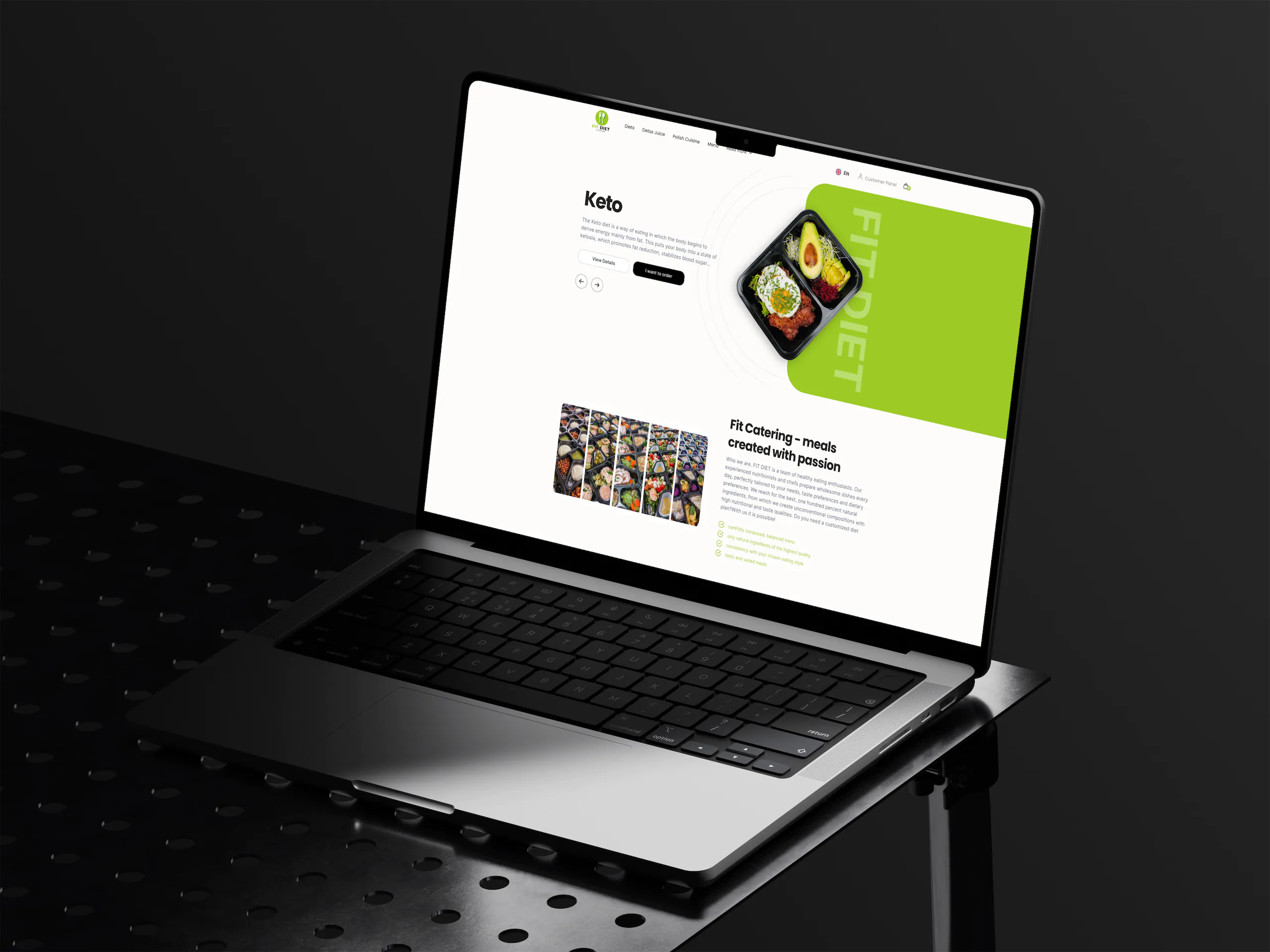
Back in 2020, FitDiet was running on a monolithic WordPress setup. Bloated with plugins, the site was fragile, prone to crashing during traffic spikes, and a nightmare to maintain. Furthermore, the meal-prep industry is heavily mobile-first; users configure complex diets on their phones. The old system offered a clunky, unreliable mobile UX.
The mandate was clear: stop the crashes, guarantee 99.9% uptime, and build a system that allows the marketing team to update menus seamlessly without breaking the checkout flow.
THE SOLUTION: DECOUPLED STABILITY
I dismantled the WordPress monolith and architected a decoupled, highly resilient commerce engine tailored specifically for the Benelux market.
- The Marketing Layer (Webflow): We migrated the frontend to Webflow. This gave the client's team a robust CMS to instantly update diet prices, menus, and imagery without touching the core application logic.
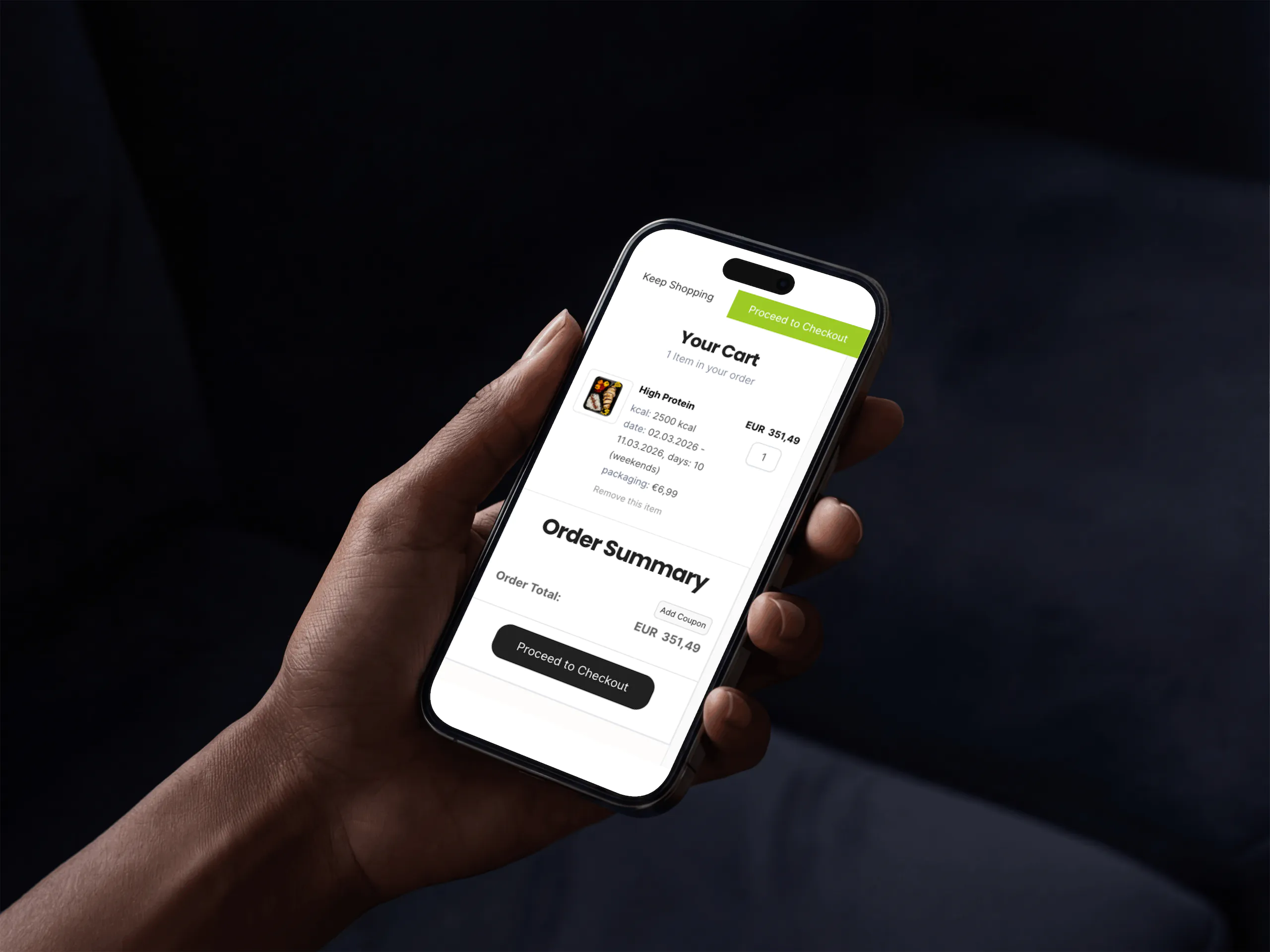
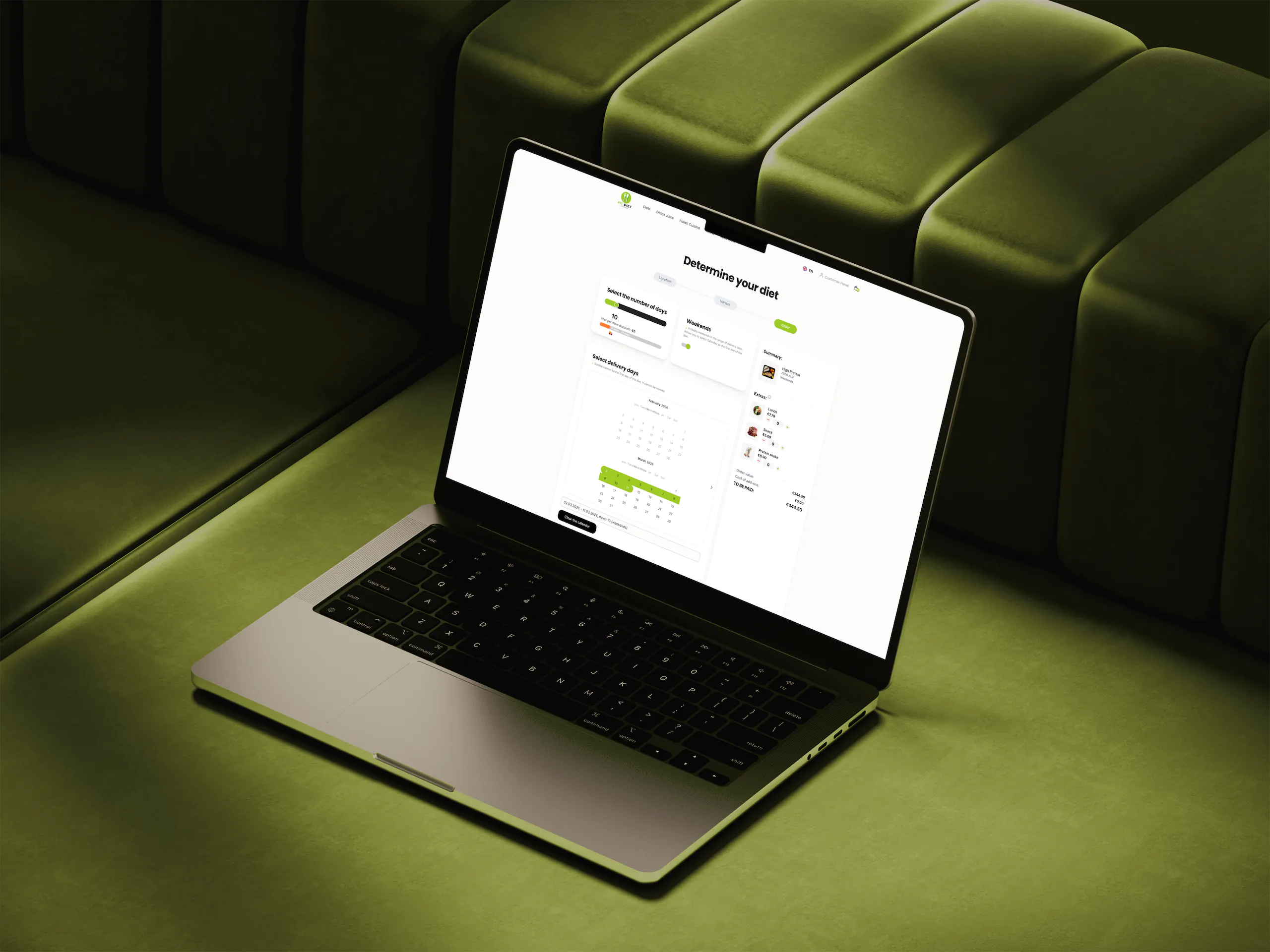
- Custom Mobile-First Configurator: I engineered a bespoke, custom-coded diet configuration funnel on top of Webflow. It was designed mobile-first, recognizing that the vast majority of conversions happen on smartphones.
- Bulletproof Checkout (Foxy.io): For the transactional engine, I integrated Foxy.io via advanced APIs. While enterprise-tier tools come at a premium (~$3,500/year), it was a calculated architectural decision. Foxy.io provided rock-solid reliability and native support for Mollie (the absolute standard payment gateway in the Netherlands), ensuring zero dropped transactions.
- Multilingual via Weglot: To serve the Benelux market effectively, I integrated Weglot for seamless translation across three languages—Polish, Dutch, and English—ensuring the entire storefront and checkout flow are fully localized.
THE 2025 EVOLUTION: NEXT.JS CUSTOMER PORTAL
A successful product is never "done." By 2025, to increase Customer Lifetime Value (CLV), I expanded the architecture by building a dedicated Self-Service Client Portal using Next.js 16 deployed on Vercel.
- Pragmatic Data Flow: To protect Foxy.io from aggressive API rate limits caused by users checking their order history, I implemented a smart data buffer. I utilized the client's existing Airtable infrastructure to cache the last 3-4 months of active orders. It's an honest, highly pragmatic engineering choice: it perfectly handles the current load at zero extra infrastructure cost, with a clear roadmap to migrate to Supabase or Convex when data scale demands it.
- Automated Retention Loop: I integrated the Loops email engine directly into the workflow. The system autonomously reads the diet end-dates and fires off personalized renewal reminders exactly 3 days before a diet expires, effectively automating revenue retention.
THE OUTCOME
Since the initial architectural pivot in 2020, the platform has supported continuous, uninterrupted growth. We transformed a fragile, plugin-heavy site into a robust enterprise engine.
By separating the marketing frontend from the transactional backend, and later introducing a modern Next.js client portal, FitDiet now operates on a tech stack that matches its multi-million Euro scale—stable, fast, and built for conversion.
Have a similar challenge? Let’s build your success story.
Refund if not a fit.